Before You Eliminate Foods or Take Supplements, Try This Gut Reset
Feb 05, 2026
|
A gentle, data-driven gut reset for perimenopause If your body has been feeling off lately, I want to start here. You are not failing. You are not broken. You are getting signals. In perimenopause, those signals can get louder. Digestion can feel more sensitive. Energy can feel less steady. Your mood can swing more easily. Even foods that used to feel fine can suddenly feel like a problem. That is why I created The Bio Reset. It is a simple framework I use to help you move from confusion to clarity. It is not a cleanse. It is not a punishment plan. It is a reset built on small steps that you can actually stick with. And it is grounded in what we know about the gut microbiome. That is the community of tiny organisms living in your gut. They play a big role in digestion, immune function, and overall health. Let’s get into it. What I Mean by The Bio Reset
When I say reset, I mean a short season where you observe your body and support it on purpose. You learn what helps you feel steady. You notice what throws you off. You build a routine that your gut can trust. I am not asking you to do an extreme detox. I am not asking you to cut out everything you love. In fact, whether prolonged dietary changes can induce permanent alterations in the gut microbiota is unknown, mainly due to a lack of long-term human dietary interventions, or long-term follow-ups of short-term dietary interventions. It is possible that habitual diets have a greater influence on the gut microbiota than acute dietary strategies [1]. So in The Bio Reset, I focus on the basics. They are simple. They are powerful. And they give you data you can use.
Step 1: Track Like a Scientist
Before you change anything,Before you change anything, start by noticing what’s already happening. Tracking symptoms isn’t about being obsessive, it’s about being curious. When you jot down a few notes each day (think: digestion, energy, mood, sleep), you start to see patterns. And that clarity is powerful. Think of this as data, not judgment. Your body is constantly sending you signals. By tracking them, you’re learning to listen better. For example, when you track things like bloating, fatigue, or brain fog, you're often observing shifts in deeper systems: gut activity, liver detox, cortisol rhythm, and even how estrogen is processed. One enzyme (beta-glucuronidase) can directly impact how your body reabsorbs or clears hormones, and it’s influenced by your gut bacteria. On the body side, I like a short daily check in. Two minutes is enough. When you track symptoms like bloating, sleep, and energy, you start connecting the dots between digestion, liver function, and hormones. Here is why.
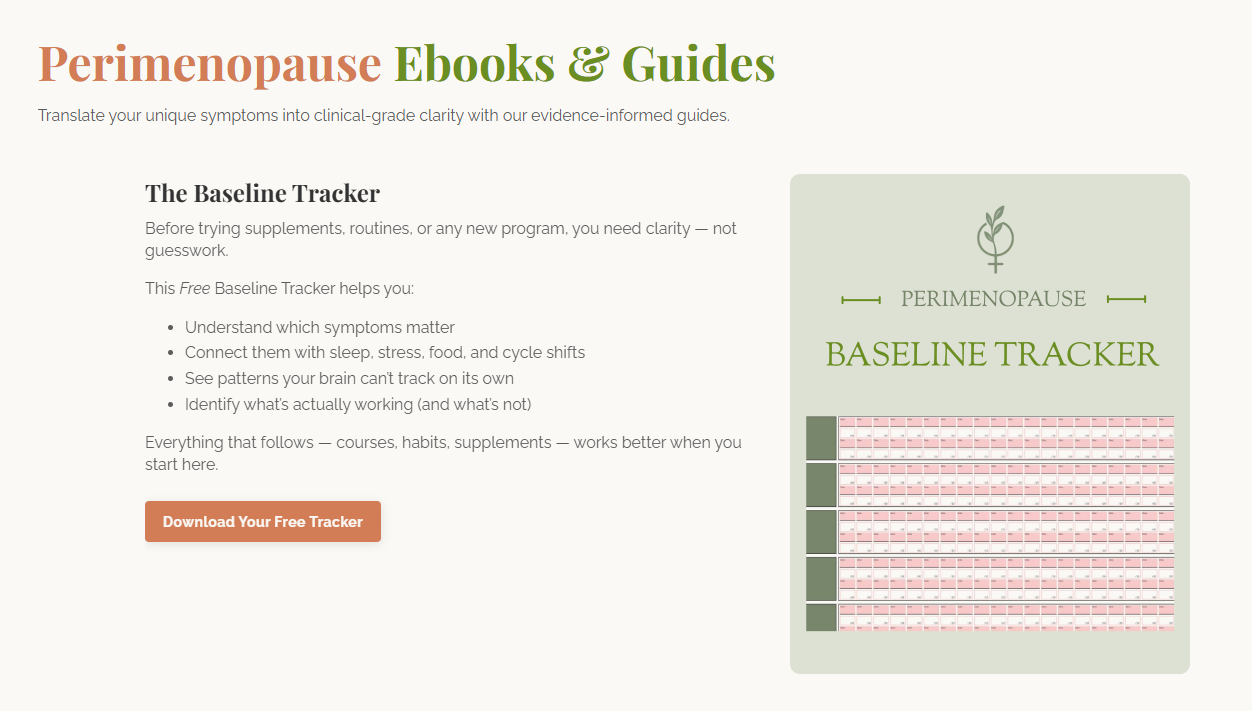
Don’t worry, you don’t need fancy labs to get started. You’ll feel changes before you ever see them in a report. A simple two-minute check-in each day gives you meaningful insight and clear data points to share with your doctor. [2]. And do not worry. I will explain what all of this means in a simple way as we go. If you are curious, stay with me. Start here: Download your Free Baseline Tracker Before you make changes, track what’s happening. This tool helps you see what’s working and where to focus first, and it won't cost you a dime.
Step 2: Fiber as Medicine
If there is one place I start with most women, it is fibre. Not because it is trendy. Because it works. Fiber is the part of plant foods your body cannot fully digest. That might sound like a small detail, but it matters. Fiber helps keep bowel movements regular. It can support better blood sugar balance. It also feeds beneficial gut bacteria. Fiber matters for more than digestion. Research in postmenopausal women shows that fiber intake can reduce serum total cholesterol. Regular intake may also help slow the progression of cardiovascular disease in middle aged women [3]. It’s a quiet hero in hormone balance too, because a healthy gut helps clear out used estrogen, which is so important. I like to think of fiber not as a supplement, but as daily medicine through food.
Step 3: Move to Create Flow
Once your gut has a bit more stability, it’s time to support internal flow. Not just energy flow—but actual digestive, detox, and immune support. This doesn’t mean intense workouts. It means consistent movement that helps your body do its job. It can act like a switch in your body. It can support digestion, ease bloating, steady hormones, and boost energy. Sometimes you feel a difference the very same day. Here is what movement is doing in the background. Peristalsis activation Bile flow support Lymphatic drainage support You don’t need to sweat for hours. A daily walk, gentle stretching, or a few yoga poses can make a real difference
Step 4: Spot Irritants (Without Restriction)
This is where most people go wrong. They cut everything. They get overwhelmed. They quit. I don’t want that for you, so I do it differently. I test one thing at a time. I look for patterns. Common irritants I see in perimenopause include:
Pick one thing to test for 7-10 days. Keep the rest of your routine steady. Watch what changes. What you are looking for is something simple. Less bloating. More stable energy. Better bowel movements. Less puffiness. Better sleep. This is not about blame. It is about data.
Step 5: Feed the Flora
When I say flora, I mean the gut microbes that live inside you. They are not your enemy. They are part of your ecosystem. Cleveland Clinic explains that the gut microbiome includes trillions of organisms and that it plays a role in health and function. Here are gentle ways to feed your flora. Add plant varietyTry to include more colours and types of plants across the week.
Try fermented foods if you tolerate themThese can support gut microbes for some people.
Start small. A spoonful is enough. If it makes you feel worse, pause and reassess. Your symptoms are feedback, not flaws.
Common Mistakes I Help You Avoid
If a reset has ever made you feel worse, it’s not because you did something wrong. Most likely, the approach was too intense or too fast for your system. Here are the most common pitfalls I see:
If you feel overwhelmed, I always bring you back to one question. What is the smallest step that supports your body today?
The Bio Reset Is About Coming Back to Yourself
Want help applying this step by step? The Bio Reset course gives you a full 5-week plan with daily actions, guidance, and education. It’s the first course to walk you through the Gut–Liver–Estrobalome axis in a simple, doable way and designed for perimenopause. If you’re ready to feel more clarity in your body, this is your next step. Here’s what you’ll get inside:
You don’t need to overhaul your life. You just need a plan you can trust, and the support to follow through. We start with awareness. We build with care. |